All Categories
Featured

Comparing 2026 Term Life Insurance Rates for Families
Table of Contents
HHS plans to broaden access to disastrous health coverage through its brand-new hardship exemption assistance, the department announced today. More individuals will be qualified for catastrophic protection start Nov. 1, 2025, when open enrollment begins. Catastrophic health insurance generally have low month-to-month premiums and very high deductibles, making them a more budget-friendly option for individuals who are seriously ill or injured.
HHS' brand-new difficulty exemption guidance will make it easier for individuals to access disastrous protection if they are disqualified for advance payments of the premium tax credit (APTC) or cost-sharing decreases (CSRs), based upon their annual family earnings. Normally, consumers who are newly ineligible for APTC or CSRs due to their forecasted annual income being below 100% or above 400% of the federal poverty line are qualified for a difficulty exemption and can register in catastrophic protection.
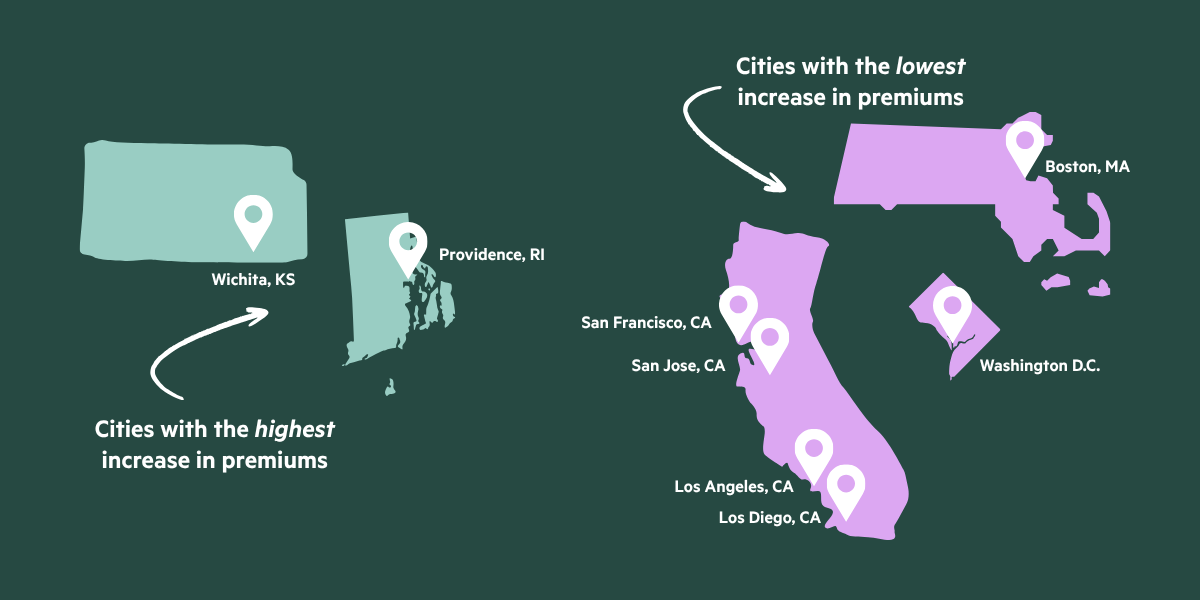
The modifications were driven by projected increases in health insurance premiums for the 2026 strategy year throughout the private market, CMS stated in an accompanying fact sheet. Rate boosts could result in obstacles with obtaining coverage under a Qualified Health insurance, particularly for those whose income makes them disqualified to get APTC or CSRs.
Insurance in Santa Clarita CANavigating Medicare Part D Enrollment for 2026
"Catastrophic protection provides budget friendly health insurance for more youthful Americans and those facing hardship to have security when they require it most," HHS Secretary Robert F. Kennedy, Jr. stated in the statement. "Broadening access to disastrous coverage is another step in making health insurance coverage more inexpensive, developing on the development made because the passage of President Trump's One Huge Beautiful Bill.".
New assistance from the U.S. Department of Health and Human Services (HHS) will broaden consumer access to budget friendly catastrophic health care policies. NAIFA has actually long advocated for access to budget friendly devastating health insurance choices. Under the new policy, consumers who are not qualified for advance payments of exceptional tax credits or cost-sharing decreases on the Health Insurance Market are eligible for hardship exemptions allowing them to acquire disastrous strategies starting November 1.
They likewise cover preventative services needed under the Affordable Care Act and as much as three pre-deductible visits with medical care doctors. The exemption will apply to consumers purchasing strategies either on or off the Exchange. Beginning November 1, 2025, consumers can obtain the difficulty exemption in two methods: Use online for Market coverage on or through a certified partner.
Submit a hardship exemption kind by mail. HHS is likewise streamlining the procedure by simplifying the evaluation of paper applications to lower the administrative burden on consumers. This modification will make it easier for individuals experiencing difficulty and looking for a catastrophic strategy to access the full variety of devastating coverage alternatives available to them.
Optimizing Medicare Part D Enrollment in 2026
Pennsylvania household health insurance for 2026 operates on 2 parallel tracks that frequently use all at once to households with kids. The Pennie marketplace covers adults and family with federal exceptional tax credits and Silver cost-sharing reductions. Pennsylvania CHIP covers kids under 19 in families earning as much as 319 percent of the federal poverty level around $102,521 for a family of 4 through a different, generally more detailed and less costly program.
Insurance in Santa Clarita CAComprehending both tracks is the essential to discovering the most affordable overall household coverage expense in 2026. Mixed-race household of four at a Bethlehem cooking area table evaluating 2026 Pennsylvania household medical insurance and CHIP choices Pennsylvania CHIP covers children under 19 in households making as much as 319 percent of the federal poverty line approximately $102,521 for a family of 4 in 2026.
CHIP Tier Earnings Range (Household of 4) Monthly Premium Copays Medical Assistance (kids)Under $54,395 (under 215% FPL)$0None Free CHIP$ 54,395$66,120 (215%258% FPL)$0Minimal ($5$10) Affordable CHIP$ 66,120$89,750 (258%350% FPL)$30$75/child/mo$10$20 per go to Full-Cost CHIP$ 89,750$102,521 (350%319%? check)Greater premiumStandard CHIP copays CHIP registration is open year-round there is no open enrollment limitation. Pennsylvania households can apply through the Pennie application, through the Pennsylvania DHS COMPASS system, or by calling DHS straight at any time.
Comparing Affordable Medicare Advantage Plans
Provider accessibility identifies which CHIP plan a household picks not all CHIP carriers operate statewide. Households then select their favored CHIP provider for each eligible kid, and the provider manages all plan advantages, permissions, and customer service for that kid.
A Self-reliance Blue Cross Pennie strategy for moms and dads paired with Independence Blue Cross CHIP for kids develops a constant supplier network and minimizes coordination complexity. When possible at the very same premium level, matching CHIP and Pennie carriers within a household simplifies supplier choice for kids's experts who accept both programs.

Latest Posts
Finding Your Best 2026 Medicare Supplement Coverage

Evaluating Indexed Universal Life Benefits During Retirement

Indexed Universal Life Options for Long-Term Retirement